Tag Archives: teaching

Dear Teacher,

Standard

A Letter from a Student

Image credit: <a href='http://www.123rf.com/photo_9732125_3d-illustration-of-mailbox-with-many-letters-over-blue-sky-background.html'>madmaxer / 123RF Stock Photo</a>When I taught young children I used to receive short love notes from them all the time.  They’d tell me that they loved me and insert a picture they had drawn just for me.  Little kids would bring me an apple or a flower from their garden.  I felt valued and appreciated.

I didn’t believe that would happen when I moved into the high school to teach.  But I was wrong.  I have 3 ring notebooks full of notes and letters teens wrote to me.  There were, of course, some differences.  Teens usually dropped a note on my desk quickly when no one else was in the room and then they’d make an exit through the classroom door as fast as they could.  Once they believed I truly cared about them, they would pour their hearts out to me. They would write about a crisis in their lives. Or sometimes they’d write to tell me about something I had said or read to them during class and admit how it touched them or encouraged them.

I’m going to share (with the writer’s permission) one of those letters with you. This letter was written by Sarah.  Sarah had become a single mom at age sixteen.  She was 17 when she wrote this and had been in my classroom for only about 3 months.  She was intelligent and caring, but she didn’t trust people very much. She dressed with a flair that usually resulted in her peers categorizing her as someone outside their circle. She might wear a black leather studded collar or bracelet along with a pink tutu on the same day.  She had gorgeous strawberry blonde hair that women would pay hundreds of dollars to have created at a salon, but Sarah was apt to have a purple or pink stripe running through hers.

I share this letter humbly, not to boast about my relationship with students, but to help teachers understand what it is that our students really need.  Read between the lines and listen to what Sarah desperately wanted.

Dear Mrs. Easley,

“I would truly like to thank you.  You are a great inspiration to me and a great role model as well. You have done everything in your life that I would hope to do in mine. You have become an amazing teacher, one who truly touches the lives of many she comes in contact with.  You have opened your own school and most importantly you are a dedicated mother to your own children even after they are gone.

Through life I have learned many lessons.  I have learned that there are people who will enjoy hurting you, who will enjoy beating you down, who enjoy seeing you cry. But I have also learned you can’t let them stop you.  You are your own person, you can do what you wish, you can be who you want and no one can stop you. Your classroom lets me be the person I want to be. You do not judge me. You see my intelligence, not my clothing, you see me. I have never had a teacher say they admire me before, when you did, I felt strong. I have never felt strong.

I’m sorry for the struggles you have had to face. Losing a child is hard. I hope I never have to learn how that feels first hand. But Kelsey would be proud of you.  You have become so much to children of all ages. I know I am proud of you. I do not have a mother to fall back on. I don’t have parents that support me, I have ones that push. You encourage me; you know what I am capable of and expect me to show it and know myself.

I love to be myself, but sometimes it’s hard to do. You have let me know that you should never be afraid to be yourself. I hope I can instill that in my daughter.  She has helped me to grow so much.  How much she has helped me makes me realize why you are such a good teacher; you had your children to help you learn.

I truly hope that one day I can be like you.  Just this short time with you has opened my eyes. At first I was not sure about teaching; now I know it is what I have to do. You are an inspiration to your students, Mrs. Easley whether they realize this now or not. You have instilled lessons in us that at this time may seem pointless but later will show such immense value. Thanks to your class.  Thanks to your stories, I really know I can make a difference, like the one you have made with me.

I cannot entirely describe my gratitude through a letter so attached is a poem, one that I have written just for you, describing the feelings I hold toward you now.

Thank you,

Sarah

A mother never wanted me

A family threw me away

I was lost in apathy

Not wanting to survive each day.

School became the home I wanted

Books my seclusion

Writing as my outlet

Loving the illusion

I may not fully thrive at this

But nor do I fail

I only use it to find myself

And with that I do prevail.

A classroom like this

Makes me feel unharmed

A place where I feel welcomed

Where I need not feel alarmed.

People welcome me everyday

Faces painted up with smiles

Giving me encouragement

Helping me through painful miles.

They do not know all my struggles,

But they have let me know

That they are here for me

To help me all the way I have to go.

You have helped me the most

Showing me encouragement and light,

Giving me a warming smile

To let me know what’s right.

Learning from your experiences

As I have learned from mine

Mothers and teachers alike

We are two of a kind.

I feel like I connect with you

We express ourselves the same

To others school is work

To me it is a game.

Nothing compared to the outside world

It is easy within these walls

You either succeed or you fail

Outside few hear your calls.

You have made me realize

I should learn as I go

Teaching me of both school and reality

I now know what I need to know.

Thank you…

Teens take writing notes to their teacher to a whole new powerful level. If you let them know that they matter to you, they will, sooner or later, make you aware of how much they appreciate your commitment to them. I didn’t read Sarah’s note without tears. Can you imagine how many times I’ve read it?  On those tough days, it became a beacon to me. It touched me so much, that when I wrote my book TEACH…To Change Lives I included her letter in my book (after receiving her permission, of course).  Using Sarah’s words helps me encourage teachers.  It reminds them of the important role they play in their students’ lives.  You see I honestly do believe that we teach to change lives.

TEACH...To Change Lives

TEACH…To Change Lives

Available at Amazon.com

(or in quantities from the author at dauna@cinci.rr.com)

Ten Great Things About Teens

Standard

What I Love About Teens

First a confession.  I taught elementary students for more than twenty years before I moved into the high school setting.  At that point in my life, teens scared me to death.  They seemed to have raging hormones, defiant attitudes, piercings, tattoos, too-tight clothes or pants falling off them.  And worse, they didn’t like their teachers.  My elementary kids loved me.  I felt sorry for high school teachers.  Then I became one. I was scared to death.  Yeah, there were some rough moments.  But here are the qualities I learned to love and admire about teens.

  1. They laugh easily.  They can laugh about absolutely nothing and then laugh at the fact that they are laughing about nothing.  Being around young people who joke and laugh is refreshing.  It makes me remember the joy of silliness simply for the sake of silliness.  Laughing feels good.
  2. They are young enough to question what is right and wrong.  As we get older we tend to accept things that are unjust.  We’ve seen unfair situations and have grown to tolerate them.  Young people are looking at these situations with newer eyes.  They help us question the status quo. They change things because they still believe they can.  They help me believe I too can change situations that are unjust.
  3. Teens are hopeful.  Their whole life is before them.  They are excited about all the possibilities.  They help me become more courageous and optimistic about the future.  Their hope is contagious.
  4. Teens understand technology.  Boy do they!  They’ve been immersed in technology for their whole short lives.  But here is the really wonderful part.  They will share that expertise with you.  My favorite teens, of course, were the ones who would assist me with technology issues without teasing me about my slight ineptitude in that area.  I’ve learned so much from them as I taught them.  It was a symbiotic relationship. It was teens who encouraged me to blog.  They believed I had something of value to share with others.
  5. Teens have great passion.  They are ‘all hands on deck’ when they take on a project of their choice.  They volunteer to take on huge tasks without even questioning the magnitude of it.  As we get older, we tend to stop and think, “Do I really have time for this?”  Teens can often accomplish amazing feats because they just go forth and do.
  6. I love their resiliency.  I’ve watched teens who lived in some very challenging situations accept adult responsibilities and handle them better than a lot of adults.  Usually no one knows their circumstances.  They raise younger siblings, pay household bills, moderate difficult situations at home, or deal with a parent fighting an addiction.  Some have an absent or unknown parent (or parents) and they accept the parent role long before their chronological age identifies them as such.
  7. Teens are generous.  They will take in a friend, buy someone’s lunch, care about the homeless, volunteer in a soup kitchen or rake leaves for the elderly.  Unfortunately you won’t see these stories in the media.  But I’ve been on the front lines and have witnessed it again and again.
  8. When I taught young children they used to write me little notes.  Dear Mrs.  Easley,    I love you.  Do you love me?  Check yes ___ or no___. They’d draw me a picture or bring me a flower or an apple.  I knew I would miss those notes when I moved to high school.   I was wrong.  I have a giant 3 ring notebook full of notes, cards and some pretty lengthy letters teens have written to me.  I have many more letters and notes that won’t fit into that notebook.  There are, however, a few differences in high schooler’s written communication.  They usually drop them on your desk privately on their way out the door when no one is looking.  But if they trust you, many will pour their hearts out on paper in great detail.  They will share their worries and also tell you how much you mean to them.
  9. They will remember you.  There is a fast turn around with teens.  Almost immediately after they leave high school (or your home), they value you.  They send you emails, call you, and will meet you for lunch.  I taught so many preschoolers, kindergarteners and first graders.  Do they remember me?  I’m not sure.  I know I remember them. The moment teens toss their graduation hats into the air, they begin to remember you fondly and seek out your advice.  Some realize this even sooner.
  10. Teens are loyal beyond belief.  If you care about them they will care about you.  Your age doesn’t matter.  They will shun your enemies and fight battles for you whether you want them to or not.  Teens may test you a little initially, but once they know you truly care about them, they will challenge anyone who seeks to harm you.

My best advice for working with teens?  Ignore the sagging pants, the sometimes surly early morning attitudes, and the crazy styles of the day.  Look beneath the pink hair and beyond the melt down of the moment.  Focus on the best qualities you find in the teens you love.  What we focus on will grow.  Visualize the success that you can see in their future and describe it to them.  Young people often first recognize their talents and visualize their future success when it is pointed out to them by someone they love and respect.  Are you that person?

TEACH...To Change Lives

TEACH…To Change Lives

Available at Amazon.com

Teachers Create the Classroom

Standard

                        The Teacher Makes the Choice

Image credit: <a href='http://www.123rf.com/photo_7438300_illustration-of-a-lighthouse-illuminating-the-night.html'>lisann / 123RF Stock Photo</a>One of my all time favorite quotes for teachers was written by Dr. Haim Ginott and comes from his book Between Teacher and Child.

“I have come to the frightening conclusion that I am the decisive element in the classroom.  It is my personal approach that creates the climate.  It is my daily mood that makes the weather.  As a teacher I possess tremendous power to make a child’s like miserable or joyous.  I can be a tool of torture or an instrument of inspiration.  I can humiliate or humor, hurt or heal.  In all situations, it is my response that decides whether a crisis will be escalated or de-escalated, and a child humanized or de-humanized.”

Oh, how I wish I had written that myself.  I am so grateful that someone did.  The book, Between Teacher and Child is around forty years old and yet contains advice that is timeless.

Image credit: <a href='http://www.123rf.com/photo_8535805_a-wooden-ruler-with-the-words-do-you-measure-up-symbolizing-personal-appraisal-and-assessment.html'>iqoncept / 123RF Stock Photo</a>

A Great Measuring Stick

It IS our personal approach that creates the climate in the classroom.  Do we provide a welcoming presence.  Are we pleasant and approachable?  Can students trust our moods?  Or are we the grinch that only smiles twice a year.  We honestly do have the power to make a student’s life joyous or miserable.  We teachers have had teachers too.  We all can remember a teacher who was a tool of torture.  We’ve all had a teacher who honestly was an instrument of inspiration.

A word of caution here:  A teacher cannot truly be an instrument of inspiration if they are a tool of torture to only one or two students.  Students are always watching.  I believe they judge teachers on the way they treat the most challenging child in the class.

I’ve been sitting in high school teacher cafeterias and listened to something a teacher said to a student that made me wonder who was the adult in the classroom.  Trying to “one up” a student who has just made an inappropriate comment in class is a losing proposition for any teacher.  Professionalism goes out the window.  Sometimes it is tough to listen, absorb, and under-react but retaliating an inappropriate comment with a sarcastic one, only escalates the negative.  It may feel like a win in the short term, but it is a long term loss.

I chose a lighthouse to illustrate this point for a reason.  Lighthouses demonstrate their real worth during inclement times.  So do teachers.  It’s easy to be a good teacher when everything is going smoothly. But great teachers reveal themselves during the tough times.

A teenager stands up and yells profanities at you in class, then stomps out slamming the door on their way out of the room.  (Yes, this has happened in my classroom).  What do you do?  The choice is yours.  Do you escalate the situation or attempt to de-escalate it?  Before you make your choice, take a deep breath and then pause.  Every student will be watching your reaction. You are the beacon in this moment.  Will you dehumanize the student?  A teen is a child with longer legs, raging hormones and often tumultuous emotions.  You are the adult.   What you do next defines you as a teacher.

TEACh

TEACH…To Change Lives

Available at Amazon.com

How to Stop a School Bully

Standard

When They Don’t Want to Go to School

bullyingTwenty-five years ago my oldest daughter was in junior high school.  I sensed something wasn’t just right because she didn’t want to go to school.  The school nurse also frequently called me telling me that my daughter was in the clinic claiming to be ill.  I’d turn my schedule upside down in my own classroom where I was teaching to go and pick her up only to realize with a mother’s instinct that she really wasn’t sick at all.  She just wanted to come home.

Finally one day, even though she tried to continue to mask her situation, her secrets exploded at home and the truth came out.  Some girls were targeting her at school.  On the day that she couldn’t take it anymore the bullies had gotten her locker combination out of the counselor’s file drawer where they worked as ‘aides’ to the counselors instead of being assigned to study hall.  They used the confidential combination to open my daughter’s locker, and then dumped all her books and belongings in the restroom sink.  Then they turned on the water and left them there for others to discover as the sink overflowed.  Someone came to find my daughter and asked her why all her belongings were being flooded in the girl’s restroom.  They assumed she caused the flood.  That’s when she broke down at home.  She was afraid she would get in trouble for the restroom flood.  She was afraid if she revealed who really did it, they would pick on her more.

She sobbed as she told me this story.  But at the very same time she pleaded harder for my silence and made me promise not to go to school and talk to anyone about it.  She swore that administrators and teachers loved these girls.  They had everyone fooled.  She was sure no one would believe her.  If I went to school and “told on them” they’d know my daughter had told someone their identity and that would only escalate what they would do to her. Unfortunately I knew that this was (at that time) probably true.

These tormentors were the original ‘mean girls.’ They preceded the internet by fifteen years.  Imagine the trouble they could cause cyber-bullying today.   Clearly they showed one personality to adults or they wouldn’t have had access to the counselor’s files. (Of course, this isn’t at all professional and they were probably sneaking to do this).   But their true identity was revealed to their peers, especially to those who felt powerless to stand up to them.  To the masses they were the ‘popular’ girls.

What Did I Do About It?

losing cleepThe first thing I did was toss and turn all night.  I lost quite a bit of sleep trying to figure out how to handle this situation.  She’d made me promise her I wouldn’t go to school or tell anyone.  If I did, would the situation escalate?  She was certain it would. Would my daughter ever trust me again if I broke my promise?  Would she be willing to share her problems with me in the future?

What did I do?  I went to school, of course.  To my credit I didn’t take a weapon.  As I tossed and turned I remembered that I had formerly taught with the assistant principal’s mother in another school district.  She and I were no longer in touch, but it was at least an opening.  I sneaked into that assistant principal’s office when I knew my daughter would be in class.  I told him I knew his mother and how I knew her.  (That shouldn’t have made any difference, but somehow it made me feel better). I then told him that my daughter had made me promise that I would not come to school and let anyone know what she was experiencing.  I demanded his promise that she would never find out I had come.  He said he would honor that request.

Then I described what was happening.  I told him I couldn’t figure out how to handle it.  If I called these girls’ parents, would that make it worse?  Probably.  The girls would deny all of it to their parents.  I’ve known of parents who do this, but it never felt comfortable to me.  I told him I saw it as a school problem and I asked him what he was going to do to solve it without my daughter knowing I had come in.  But I let him know in no uncertain terms that I expected it to be solved quickly and discreetly.

Guess What?

We brainstormed together.  I wanted to make sure he wasn’t going to do something that would put my daughter in a more uncomfortable situation.  He came up with a wonderful idea which became the perfect solution.

What did he do?  He sought my daughter out in the cafeteria.  He told her one of her teachers had told him what a great gal she was.  He asked her if she could help him with a project.  In his role as assistant principal in this school he also served as athletic director. That put him in charge of all athletic functions.  He immediately put her in charge of a concession stand.  She was surprised to be sought out and valued by the assistant principal.  He would talk to her frequently in the halls and the cafeteria just being friendly.  She began going to all the games and functions.  She had a talent for this and wanted to live up to his confidence in her.  Soon she took on more and more responsibilities.  He had other students report to her putting her in a leadership role.

What happened to the bullies?  They saw the assistant principal talking to her frequently.  He was well liked by the students.  When they saw that he valued her, they stopped making her a target.  It was a subtle but perfect solution.  She stopped hating school.  She felt accepted and valued at school both during the day and at after school functions.

Did she ever find out that I went to school?  Eventually.  But let me tell you how it happened.  When my daughter (yes, the same one) had her own preteen daughter attending the same junior high school, she talked to me on the phone one day.  This is what she said.  “The school nurse is always calling me telling me that my daughter is sick.  I know she has been having headaches, but I think something else is going on.  I just don’t think she feels comfortable in this junior high setting.  Every morning she pretends to be sick and tries to stay home from school.  I just don’t know what to do about it.”

I paused a long time and then I said, “Do you want to know what I did about it when I had that same problem?”  There was a long silence on the phone.  She didn’t know what I was talking about.  I reminded her of the situation she encountered in junior high and confessed to the promise I had broken.  She was astonished, but by then, of course, not annoyed at all.  The next day she marched right into that junior high, asked to see a guidance counselor and said, “My daughter doesn’t want to come to school.  She just can’t seem to find a place to fit in here.  How can you and I help her?  Before she left the school, the guidance counselor had promised to seek her out and make her a photographer for the year book committee.

My granddaughter called me that night.  She was all excited about this new responsibility.  We bought her a digital camera and she was off to all the games and school functions.  This time there wasn’t a specific bully that we knew of.  I think we solved the problem more proactively before she became the target her mom had become.

When kids feel connected and valued, it goes a long way toward taking the power away from a bully.  I’m glad for all today’s bully hot lines. and the anti-bullying workshops and strategies taught currently.  These are long overdue.

But I am still continually amazed at the power of one teacher, one peer, one administrator, or one role model.  When I approached that administrator he knew exactly what to do.  He had the sensitivity and the influence to turn it all around very quickly.  Adults within our schools have a lot more influence than they would ever believe.  I’ve built wonderful friendships with students in the schools where I’ve taught who were never assigned to my class.  You can build positive relationships with kids in the hallways, standing duty, at athletic functions or walking through the cafeteria.

you can do it

I challenge every teacher to pick at least a dozen kids in the school building that you don’t have in class and focus positive attention on them.  Don’t seek out a ‘star.’  Choose a kid who appears to be on the sidelines. Choose someone who looks like they need a friend.  Choose someone dressed differently.  Smile and speak to them consistently.  Can you imagine what a positive difference we would make in our buildings if we all committed to this strategy?  Why not try it?  What do we have to lose?  A bully? 

TEACG

TEACH…To Change Lives

Available at Amazon.com

The Magic Question for Teachers

Standard

A Student I Will Never Forget

I was preparing my third grade classroom for the first day of school when I noticed an unusual name on the student roster.  The name was Kim Hyangsil.  The first name, Kim, was common enough.  But I remember thinking the last name Hyangsil seemed like an unusual name and I wondered how to pronounce it correctly.  It was early on the first day of school that I discovered only one of my assumptions was correct.  The name did belong to a little girl.  But her first name wasn’t Kim.  It was Hyangsil.  Kim was her surname.  She was Korean and she didn’t speak or understand a single word of English.

Korea?

Even gathering this meager amount of information was something of a feat when you consider that neither of us could speak one word that the other could understand.  Today, that might not be so unusual. Our schools are liberally sprinkled with students who do not speak English as their native tongue.  But this story took place in the midwest about two decades before classes that taught English as a second language became commonplace.  Korean children in our schools were more rare than kangaroos in a Mexican restaurant. When I questioned the school office personnel they seemed amazed and unaware of Hyangsil’s language barrier.  They called home to gather more information only to discover that Mom, too, spoke only Korean.

What in the World Was I Going to Do?

I think that is when I first discovered the magic question.  This one simple question has done more to make me a better teacher than any other single act I can recall. It will work in every classroom situation, no matter how diverse or how seemingly hopeless.  It shapes and guides my relationship with every single student in each and every class, no matter what their age, learning style, cultural background or attitude of the moment. This question, if asked sincerely and with an open mind, will always point a teacher in the right direction.  What is the question?

       What one thing can I do to help create some success in my classroom for this student today?

Too simple?  Re-read it please.  Some of life’s greatest wisdoms are simple.

Ask the question, be still, and then listen for the answer.  You’ll be amazed at how much expertise you have in areas in which you have received no training whatsoever.  Try any idea that occurs to you.  If it doesn’t work, adapt.  Try something a little differently the next day.  Let your student guide the way. Keep asking the question with sincerity every day.  The results will amaze you.

Caution!

As soon as you utter the words, “I can’t do anything to help this student,” you and your student are both lost.  Never give up on a student. Many times I’ve thought, “I don’t know if I’m making progress.  I’ve never been trained to handle a situation like this.  I don’t know what I’m doing.”  But I never once uttered, “I can’t do this.”  Can’t is a cop out.  It is a refusal to try.  For a great teacher this is not an option.

Twice, after months of effort,  I’ve felt so guilty about not having enough expertise that I’ve called the parents in for a conference to tell them I was outside my teacher comfort zone.  I’ve asked the parents frankly if they have seen their child making progress while in my classroom.  I’m not certain if this was the right thing to do, but personally and professionally I just felt like I had to confess my uncertainty to the parents.  Maybe an administrator wouldn’t have liked this approach, but in my gut I knew I was doing what I had to do.  In both of those situations I was dealing with students with very different learning styles.  Both times the parents reassured me that their child was making progress.  They gave me examples to prove their observations.

But I’ve never once said, “I’ve not been trained to do this so I know I won’t be effective.  I give up.”  A great teacher must have a tremendous sense of efficacy.  Try something, observe the results, try something else, adapt.   Try again, and again and again.  Not all students have the capacity to progress at a typical pace, but that doesn’t mean your efforts are without results.

What Did I Do with Hyangsil?

I found picture cards of familiar objects.  Each night I made recordings of how to pronounce the objects in simple sentences.  “Wagon.  This is a wagon.  Tree.  This is a tree.”  I attached the recordings to head phones where she could practice vocabulary whenever she had a free moment.  I gave her partners within the classroom to help her with simple sight words (today called high frequency words) and sentences.  She was a bright little girl and she learned the English language very rapidly.  She was especially proficient in math and she made beautiful drawings.  I found classroom activities in which she could highlight those skills. It wasn’t long before the other students respected her for her unique talents.

Predictably, because the more effort you put into anything the more you reap from it, she and I became extremely close.  It was such a heartbreak when her family moved away only a semester later.  By that time though, we had a wonderful bond.  She and I were pen pals for probably ten years.  I lost track of her when she was living in California, but I still think of her with great fondness and wonder how she’s doing.  When the internet became more prevalent, I tried to find her again.  I found a young lady living in Korea with the same name, but she was far too young at this time to be the Hyangsil Kim I knew from years ago.

As with many of my most memorable students, Hyangsil taught me more than I taught her.  She taught me to never give up on any situation.  She gave me courage and confidence as a teacher.  But most of all she helped me learn to ask the magic question that guided me through the rest of my teaching career.

What is one thing I can do today to help create some success in this student’s life today?

Ask this question every day and then get busy.  It’s the best gift you can give your students and yourself.

TEACH…To Change Lives

Available at Amazon.com

How to Help Students Succeed in Life

Standard

Beyond the Textbooks

Good teachers teach the subject matter and they do it well.  They know their academic area thoroughly.  Their lesson plans are well thought out and hopefully creative.  They are experts in their field.  There are studies that prove that the best way to improve test scores is to thoroughly educate our teachers – to provide them with a deeper understanding of their subject matter.  They then can pass this academic excellence along to their students.

I thoroughly agree with this strategy.  BUT…if you want to become something beyond a good teacher I think there is so much more than academic excellence required.  Great teachers don’t just teach academics, they teach people.  The student precedes the subject matter. Great teachers don’t just teach an academic field. They must teach many things beyond the text.  They teach concepts that help students live a life full of successes that they learn to create through experiences and activities that begin in the classroom.

How?

The truth is I’ve written a whole book about this and it’s not easy to describe briefly.  Also,even as I write this I can hear many good teachers saying,

I don’t have time for anything other than the academics! 

I can’t cover all the material even now.

How can I add more?

And technically they are right.  We don’t have extra time for unimportant concepts.  But what I’m describing is important and effective teachers will realize it and integrate it into their lessons.   Great teachers will custom braid success strategies throughout all of their teaching. weaving them over and under the academics they cover, strengthening their students’ learning path into a cord with triple the strength of mere facts.

Think Differently

We have to be honest and admit that we don’t know the world our students will be facing.  Changes in our country within the past decade have resonated that message.  We must prepare our students for an economy we can’t even predict.  They will change not just jobs but careers.  We must teach them entrepreneurial skills, creativity, perseverance, problem solving, and how to set goals and adapt when the  ground under their feet begins shifting in a new direction.

Six Tips for Getting Started

  • Read orally to students no matter what their age.  We do this when they are young, but we give it up when they need it most.  By carefully selecting short oral readings you can engage their minds using words from the greatest inventors, entrepreneurs, leaders, thinkers, and doers.  You can expose them to the best advice given by the greatest minds in less than 5 minutes per day.  Carefully choose, then read a 2-3 minute selection.  Then have them orally reflect. Cap the reading and discussion with a challenge to apply it to their lives immediately.  Check back on the results.
  • Model initiative by talking about ways you are trying to improve your life.  Talk about personal goals and share your progress toward a goal.  List the steps toward your goal and check off progress as they watch.  Challenge them to do the same.  Have them identify a goal, write it down, list their steps and check off progress as a classroom challenge.  Support one another.  You must walk your talk on this one or it will have no impact.  As teachers we are FIRST role models.
  • But also share your failures with students.  I don’t mean to air dirty laundry that is inappropriate for students, but I DO mean to reveal a time in your life you have faced a failure.  This is uncomfortable for adults.  We want our students and children to think of us as a success.  They need to know we have faced failures and survived.  If they never hear that, when they face failures in their future (and they will) they will feel like losers.  They need to know we faced failures, what we learned from those failures and how we persevered.  How much did it hurt?  How did you recover?  Is there success after defeat?  What got you through it? Tell them.  This is a life skill they need.
  • When you reveal your vulnerabilities, as a side benefit, they will be more apt to approach you when they have an issue they need to discuss with someone.  When this happens, don’t over react.  No matter how large or shocking their problem, initially you must under react.  If you over react, they won’t approach you again.  They may never again approach anyone with a situation they need to discuss.  This is a time for problem solving with them.
  • Verbalize a student’s strengths at every opportunity.  Always look for talents and verbalize them whenever you notice them. Young people often undervalue their skills.  If they are good at something, they may think everyone does that well.  It’s no big deal in their mind.  They often FIRST see their future careers and successes through the eyes of someone else whose opinions they value.  My grandson had to write a sample college essay in high school listing and describing his strengths.  Once he described his athletic skills he stopped.  More slowly he knew he had a sense of humor and admitted some leadership skills.  But what he didn’t know was his greatest strength.  He has a wonderful talent for making other people feel valued.  When I told him this he said, “What do you mean?”  I give him a dozen examples.  It was a revelation for him.  Why had I not pointed that out to  him yet?  Shame on me.  He didn’t even know he had this unique and valuable skill. He will never forget this conversation.  I’m sure of it.
  • Choose activities and readings that make students aware of their self talk.  The truth is we say more hurtful words to ourselves than any bully has ever directed at us.  But usually students are unaware that they do this to themselves until you make them aware of it.  I have my students carry a small notebook and record the internal messages they give themselves for a week.  I share mine too!  I think it is important to participate in the activities you assign your students. We have to take it further.  We have to turn it around and replace it with positive self talk.  I attended a small high school with a graduating class of only 81 students.  Mike was a student in that class.  He was not the valedictorian nor the salutatorian in a class of only 81.  And yet he has made a huge success of his life (more about that in my book).  Do you know what his self talk is?  He was embarrassed to admit this and he says he NEVER says it out loud, but he continually says to himself internally, “Somebody has to be first.  Why not me?”

I’m passionate about this topic and hate to stop here. 

But I know if this post gets any longer, no one will want to read it at all.  My book describes 100+ such strategies. I think the greatest gifts we give our students are the ones that go beyond the text books. I’m a career teacher and I’m sure of it.  I belive great teachers TEACH…To Change Lives.

TEACG

TEACH…To Change Lives

Available at Amazon.com

Teacher for a Lifetime

Standard

Not A Runner

I’m not a runner, so using running analogies in my writing is a dangerous proposition for me.  But a few parallels between teaching and running strike me.  The National Education Association has been collecting data on teachers for years.  What they reveal is that 50% of teachers quit within their first five years of the profession.  And they never teach again.  That means half of the people who enter the profession spend less time IN the profession than they did preparing for the profession.

Those are staggering and disappointing numbers, but I’d have to also confess, that they don’t surprise me.  I threw so much of myself into my job that I became sick in only my second year of teaching.  I had never been sick before.  My illness baffled and scared me. The doctors couldn’t explain it to satisfy me.  I was desperate to get better and considered quitting the profession at that time.  But I hung in there and realized that teaching, if you wanted to make it a career, was more like a marathon than a sprint.  You simply can’t finish a marathon if you try to maintain a sprinter’s pace.  No, I’m not in favor of half-way teaching.  I’m a teacher who threw herself whole heartedly into the profession.  BUT if you don’t find your own pace, your comfort zone that will somehow sustain you to hang in to make it to the end of the marathon, you will never survive in this career.

After more than two decades of teaching, I moved from the elementary grades into high school.  High school?!  If you had told me at any time during my first half of my career that I would eventually teach high school, I would have laughed in your face and then run out of the school building…in a sprint.   In my 24th year of teaching I taught high school for the first time.

I didn’t just move from elementary to high school, I also moved into an entirely new student demographic at the same time. Most of my students were tough and oppositional, living in at-risk situations.  Many of my students didn’t know their fathers and some even had mothers in prison or unemployed parents on drugs. I have no idea what kept me from quitting that year.  Professionally it was the hardest year of my life.  I almost quit in the first week of school. I only made it until 11:00 am on the second day before I was crying.  I spent the rest of the year questioning my judgement for staying.  That first group of teens chewed me up and spit me out on the pavement. Then they walked over me and left me for dead.  And they enjoyed it.

I continued to teach in that challenging environment for 12 years.  Do you know what I learned?  When I made a positive difference in a student’s life in that environment, I was usually the only person turning that kid’s life around.  I learned that those kids challenged me until they trusted me.  Life had dealt them some serious blows and they weren’t going to let anyone hurt them again.  Once they finally trusted and accepted me then they became my greatest allies.  It was in that school that I accomplished some of my most meaningful teaching.  It was, in a strange way, kind of intoxicating.  I was making a difference.  Isn’t that why most of us enter this profession?  To make a difference?

It was also during this era that I began speaking and writing about teaching.  I wanted to encourage and inspire other teachers.  Day in and day out I saw a lot of teachers who looked defeated.  I wanted them to feel supported and realize the positive difference they were making.   Speaking and writing helped build my self esteem back up a little while the students continued to pummel me like a tether ball dangling from a pole in a prison yard.   Yes, making a positive difference in a tough environment feels good, but it also had its down side.  I began to feel pessimistic about the future of our country.  If the students I was teaching were the future of our world, what was our world going to become?

Fortunately for me my teaching career took another unexpected detour.  Someone heard me speak and offered me a job in a more traditional academic high school teaching in a Teacher Academy program.  The students who enrolled in that program already knew they wanted to teach.  For the most part they were wonderful role models, great students, caring and encouraging to others and even their teacher.  The last seven years of my full-time teaching career were blissful.  I maintain long-term professional friendships with many students and I watch them finish college and enter their own classrooms.  Once again I feel quite optimistic about the future of our schools and our country.

Today I continue to write and speak about teaching while I supervise college level student teachers part time.  I love this role.  In this capacity I am able to be in and out of schools interacting with top quality mentor teachers, while calming the fears and encouraging beginning teachers.  After twice considering walking away from the profession, it turns out I am a teacher for life.

Tips for Running a Teaching Marathon

  •  Find your own pace.  When you discover your energy flagging, turn your attention to the other parts of your life.  Are you socializing enough?  Are you having any fun in the rest of your life? Have you given up an activity you enjoy? If teaching consumes your whole life, you won’t be able to stick with it long-term.
  • Find a coworker with a positive attitude and good sense of humor.  You can encourage one another and laugh about the occasional lunacies of the profession.
  • Focus on the students.  Try not to focus on the frustrations of the profession.  There will always be a new program, new curriculum, a new computer system, data collection, testing pressure, politicians who complain  about schools during campaigns,  or a change in policy or administration.  None of that is as important as building a rapport with students and helping them learn and grow into positive adults.  Laugh about the rest and focus on the kids.
  • Don’t eat lunch with the crab apples.  Every school (or business) has crab apples.  Spend your time with the positive staff members.  Avoid staffers who complain about the quality of the students, the community or the administration.  Seek out professionals who genuinely care about the students and have the ability to keep the rest of the job in perspective.
  • Never quit after a frustrating year.  There’s an old saying, “Never cut a dead tree in the winter time.”  Wait until spring.  It may just appear dead and will flourish in the spring.  In teaching, each school year  is a clean slate.  I’ve had some of my best teaching years just following some of my most challenging.  Those sweet years can rejuvenate you.
    In my life I play many roles.  I’m a daughter of aging parents, wife, friend, mom, grammy, speaker and writer.  But in addition to all those roles, I know that in my soul I am a lifetime teacher.  I hope somehow you will be able to obtain the satisfaction from teaching that I have.  The world needs committed teachers more than any other profession.  If you agree, you are probably one of us.  I teach to change lives.

             TEACH…To Change Lives

             Available at Amazon.com

Never Say These Words

Standard

What Does A Great Teacher Do?

Never Say these words

A teacher builds bridges between dreams and accomplishments.

                                                                                                                   –Dauna Easley

But Never Say the Following Words

shhhhhThere’s a three word phrase that seems harmless but is, in fact, poison to our profession and is also detrimental to our students’ ears. Too often we use the phrase, “I’m just a teacher.”  No celebrity thinks of themselves as ‘just a star.’  No professional athlete puts the word ‘just’ in front of their athleticism.  And yet day in and day out we directly touch and mold more young lives than celebrities or athletes.  When our students struggle we are there to help.  When they face what they feel are insurmountable problems, we listen.  We care and we counsel. What is more important: shaping lives or creating a game score?  What is more important, encouraging a young human through a  personal challenge or the gross profits of a movie?

Setting the Record Straight

I must admit there is another profession equally as guilty of underestimating their value and importance.  That is the nursing profession.  Nurses are the front lines as are we teachers.  Teachers and nurses are the privates who do the work.  Having a daughter who battled a terminal illness I can tell you that every time her treatment improved and became more humane, it came in the form of a suggestion from a nurse.  Why?  Like teachers they were there on the front lines.  They cared, they listened and they sought solutions.

Words Matter

never say these wordsWe need to bite our tongues every time we hear ourselves say, “I’m just a teacher.”  We need to object when others use those words either orally or through their actions.  We are not just anything.  The only thing ‘just’ about us is the fairness we demonstrate when we value and advocate for all our students.  We just refuse to give up when we notice a child struggling with learning problems, social rejection, or family  issues

Our current students are the future of our country.  Statistics confirm that more of them will model their lives around the works and words of a positive teacher than any political figure, celebrity or sports figure.  We should be just plain tired of being thought of as just a teacher.  We’d tackle anyone who called one of our students ‘just’ a kid.  The parents of my students trust me with their most valuable possession.  Their child matters more to them than their house, their automobile, their investment portfolio or their job. I’m pleased to say that I doubt any of the parents of my former students will ever speak of me as just as teacher.

Nor Will I

My name is Dauna Easley.  I am proud to be a teacher.

TEACH…To Change Lives

Availble at Amazon.com

Teaching…What They Don’t Teach You in College

Standard

Surprises for New Teachers

Teaching Duties 101Kelly, a young teacher whom I have trained, emailed me recently and said, “You’re never going to believe this, Mrs. E. Our whole district has switched to a new reading program that is 100% online.  And guess what? We are a full week into the school year and not one computer in the whole school is working.”

I believed it.  Why?  Because in some form or another while teaching I’ve lived it over and over again.

Another young teacher said recently, “I’m supposed to be ready for students the minute they walk into my classroom, but I spend half an hour before school standing hall duty!  How can I be preparing for teaching while I’m in the hall watching for fights that might break out?”

Another teacher was spending too much of her first year salary at Kinkos running off papers for her students because she spent all of her planning time fulfilling her assigned duties or waiting at the end of a long line at the copy machine.

Teacher Duties 101

teaching secretsDo  you know what would be an excellent college course for future teachers?  Duties 101.  I’d love to have the opportunity to teach that class.  Here is the truth taken from someone who has taught preschool through high school seniors.

Though it may seem like overkill to write elaborate three page, creative lesson plans while you are in college, you might as well enjoy the process.  Because once you are really teaching in your own classroom, you will never again have time for three page lesson plans.  Why?  Because you will be “on duty.”  I’m not talking patriotic duty here.  No bands will play.  No flags will furl.  We are talking low-down-and-dirty teacher duties that they never describe to you in college.  The variety is endless.

  • In elementary school there is the adventurous playground duty.  I once had a hairpiece knocked clear off my head standing playground duty!  It was my own fault.  I walked too close to the tether ball game.  Amazingly we had NO playground equipment in the first school where I taught.  Something about liability.  Hundreds of kids would pour out onto the black top for recess with nothing to do but play our one tether ball game and chase each other.  What was our job?  To keep them from chasing each other, of course. “No running on the black top!” was our constant mantra.  Our tether ball game became as vicious and competitive as ice hockey, just ask my chignon (hair piece) that flew 20 yards.  I’m lucky it was only my fake hair. Just a few inches more and I would have had to say good-bye to some of my IQ points.
  • What’s worse?  Indoor recess.  Sounds tame but don’t let it fool you.  Ask any experienced teacher.  You’ll know who they are because they are wearing hearing aids and they sport a nervous twitch.
  • Then there is the ever-to-be-avoided cafeteria duty.   In elementary school this involves using your fingers to open 213 cardboard milk cartons and poking a pointed straw through 303 drink containers in an hour.  Correct dress code for cafeteria duty?  Hand-me-down duds that ketchup and food fight stains won’t bother, skid proof shoes that keep you from falling on your tush while sliding on spills, and ear plugs to protect your hearing from the animated lunch room ‘conversations’.  Your only protection will be the whistle around your neck.  We give teachers whistles when they really need fire hoses.  It builds their resourcefulness.
  • Bus duty is another thriller.  In my first life as an elementary teacher I thought this was the bottom of the barrel.  I was wrong (more on that later).  Elementary bus duty involved hundreds of kids swinging book bags larger than their bodies, darting this way and that between cars and buses as they scream comments to their friends.  Our local voters turned down 4 school tax levies in a row.  I feel so sorry for the kindergarten teachers who give up not only their lunch time but their before and after school planning time to carry umbrellas as they herd scores of five-year-olds through the rain  to their cars four times each day.
  • Teenagers take duties to a whole new depth.  There is restroom duty.  I fondly call this one ‘smoker’s duty.’  What happens?  A previously healthy teacher stands in a restroom full of adolescent hormones breathing more smoke than someone at a happy hour held in a tobacco barn.  Smoke flows from over and under every stall door.  Each and every time you approach a smoker they question your right to accuse them of anything.  Their attorney dad is already on their cell phone before they exit the stall.
  • Once I was assigned morning hall duty in a high school.   On this sacred duty a teacher spends every  minute of their class preparation time, not preparing.  I stood at an unlocked door asking students to show me their ID badges.  One hundred percent of the time they told me their ID badges were in their lockers.  At that time I was to direct them to the cafeteria door where there were other teachers stationed “on duty’ to supervise them.  One hundred percent of the time they claimed they were on their way to the cafeteria.  But my assignment issued from school administrators as a hall duty monitor is to NOT allow them in that doorway.  During those before school hours teens called me everything but a teacher.  By the time school would begin for the day I had the self-esteem of a roach.  I wonder why that door couldn’t have been locked?

shy?

  • Bottom of the barrel?  I swear I’ve done the research and this one is it.  High school parking lot duty!  Picture this.  During the last class of the day you have a six-foot-four 300 pound varsity football player mad at you because he doesn’t like the midterm grade he earned in your class.  Five minutes later the bell rings and you have to run outside in the sleet to stand in the center of the main driveway though which all students exit.  The same dude drives his two thousand-pound car right up to you.  He honks his horn for you to move.  You jump a foot high but stand your ground. You are, after all, ‘on duty’. You tell him lamely that you are not permitted to allow any students’ cars to leave until the buses pull out.  He revs his motor and inches his automobile right up against your thigh.  You can read his lips through his windshield.  You know in detail every expletive he is screaming at you, and you’re tying to remember if he wore his weapon-disguising trench coat to school that day.  Moments like these make me dream about the days when I taught preschool.
  • In preschool the only duties that are distasteful are wiping snot and hearing the proud little voice ring out from the potty area.   “Teeeeacher, I pooped.  Come and wipe my butt.”  The polite ones even say, “please.”  High school parking lot duty makes me remember preschool poop-wiping fondly.

I swear I’m not making any of this up.  Not… one… word.  But in writing it out, I’ve just come to a revelation about why we don’t teach these important details in college.  We don’t want to drive great people away from an already challenging profession.  We have to keep future teachers in the dark until we reel them in and they fall in love with the profession.  And the right ones will.

We have only one defense strategy, but it is powerful.  We have to laugh.  We somehow have to focus on the difference we can make in students’ lives and just laugh about the rest of the madness.   Find a fellow teacher with a positive attitude who is committed to students and laugh together.  If we let the insanity of the duties consume us, we will forget the real reasons we were drawn to this meaningful profession.   We are in the classroom to change lives.  Not one other profession in the world has the day-to-day power we have to improve lives.  Laugh at the nonsense and focus all of your efforts  on making a positive change in the lives of  your students.  Take it from a very experienced teacher looking back on a long career.  You will be forever grateful that you did.

TEACH…To Change Lives

Available at Amazon.com

Questions from Parents

Standard

Questions Teachers Hate

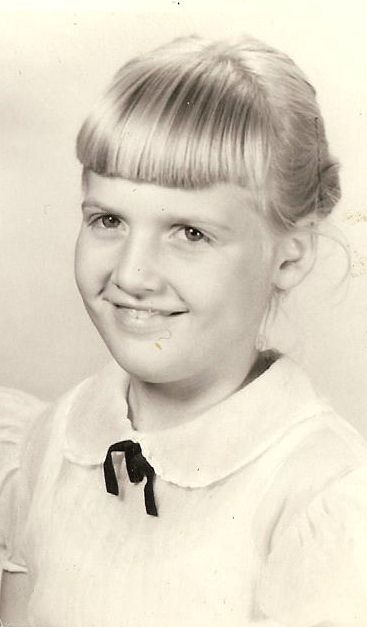
Dauna age 8From the time I was eight years old, I knew I wanted to become a teacher.  There were, however,  hurdles along the way.  I was the first person from my family to go to college so my parents couldn’t help me much with advice. But an even bigger challenge loomed.  I didn’t have much money.  In fact I had only enough money to attend college for two years and a teaching degree required four years of study.   Even that money had to be borrowed from the credit union. I was terrified that I would have to drop out of college without finishing;  so I formulated a plan.  My plan was to get a four year degree in two years.  That was a pretty ambitious goal at Miami University in Oxford, Ohio.  Miami has a reputation for academic excellence and colleges don’t make classes easy to schedule.  However, without any options and possessing quite a bit of personal drive, that is the path that I chose.

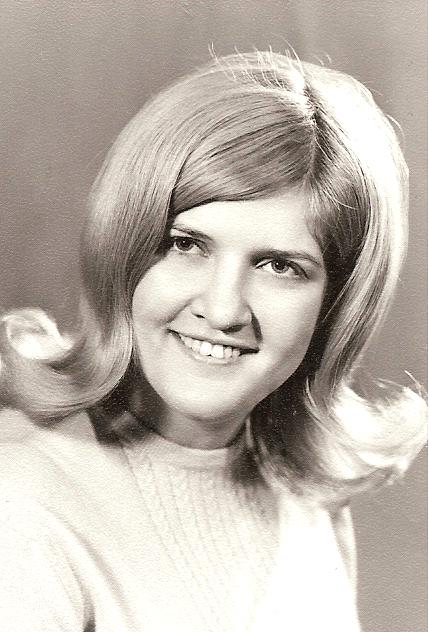
I had just turned twenty when I began teaching in my own classroom.  Some people believed I looked Dauna age 20younger than twenty.  You be the judge.  This is a photo taken of me the year I began teaching.  I had worked hard for my degree and I was as passionate and committed as a young teacher could possibly be.   I remember those days well.  I was so excited about my new role, I even recall missing my third graders when they went outside for a ten minute recess.  More mature teachers learn to look forward to those brief interludes.  But I adored wearing this new role that I had dreamed about for so long.

Parent Teacher Conferences

On conference days I was enthusiastic about sharing all that I knew with parents.  I couldn’t wait to tell them cute stories about their children and give them advice on how to help their children at home with school work.  But soon I started hearing those two dreaded questions.  I grew to hate these annoying questions.

How old are you?   (They would challenge me).

And even more insulting I believed:   Do you have children of your own?

How dare they ask me those questions?!

It felt rude and, frankly, condescending.

Why would they pose such undiplomatic questions?

Then Came the Birth of Understanding

birth of understanding

After seven years of teaching, I had a child of my own.  POW! (As Emeril would say).  The realization began to dawn.  My first-born was a swift and dynamic teacher.  What? Parents don’t have total control over their children?  Sometimes parents, no matter how honorable their intentions, have close to no control. The wisdom of my degrees and college professors began to be tested, disputed and sometimes even decimated by my own children.

My perspective did a complete about-face.  I slowly began to be embarrassed about all that unequivocal advice I had doled out to experienced parents.  This blog post is my written apology to all the parents I advised before I became a parent myself.  Forgive me.  My intentions were good, but I was viewing a three D movie without the benefit  of special glasses.

Make Parents Your Allies

listen to parentsThis is what I have learned-the hard way- from becoming a parent.  If you want to double or even triple your effectiveness with your students, enlist the help of their parents.  Listen to them.  Give them opportunities to share what they have already learned about their children.  It took me time and experience to learn ways to do this, but it tripled my effectiveness as a teacher.   Here are strategies that worked for me.

1. When I taught very young children, preschool, kindergarten or first grade, I tried to schedule a conference at the very beginning of the school year.  Some years those were home visits.  I called this the “You Tell Me” conference.  I asked questions about their children and I listened.  I wrote down their advice and consulted it frequently.  I found out what was on their minds before I began working with their child. They told me their concerns and strategies that worked with their children.  This information was invaluable.

One time a mom told me that her 3-year-old twins had escaped from more than one child care situtation…actually run out the door to the outside… even into the street.  I thought smugly that would never happen in my environment.  Know what?  It DID happen when their parents were in the room and in charge of their twins on my Orientation Day.  I had to have a staff member posted at the door every day for the remainder of the school year to make sure it didn’t happen again.  Oh how those twins maneuvered and tried to escape!  Houdini himself would have been impressed at their antics. Imagine what might have transpired had I not listened to their parents’ advice first?

2. At parent teacher conferences, get the parent to talk first.  Too often these time slots are short and the teacher rushes through the test scores, grades, behavior issues and upcoming events and assignments filling all of the time that was supposed to include two-way conversations.  Ask questions first.  “What is Courtney saying about my class?” is a good starting point.  “Do you have any concerns and questions for me?”  Start with the parent.  If the parent comes into the conference with a burning concern and the teacher talks through the entire allotted time, the “conference” is a failure.  Sometimes when I ask parents what is on their mind, they stare at me.  If I say, “Describe your child’s strengths and weaknesses,” they’ll begin to speak.

3. In upper elementary grades all the way through high school we teachers host evenings we call curriculum nights or grade level meetings.  The parents come to school and travel to all their child’s classrooms following their schedule for the day.  Teachers repeat the requirements of their class, distribute a syllabus,  and often list consequences for late assignments, failure to bring materials and other infractions.  Teachers hate when parents try to ask how Johnny is doing on a night like this when other parents are standing around listening to what should be confidential conversations.

Here’s what I learned to do.  I had parents pick up index cards as they entered the room.  On those cards I asked them to write answers to 3 questions I had already written on the screen in front of the class.  Those 3 questions were

  • What is your child (or teen) saying about my class?
  • Do you have any concern about your child that you would like to share with me?
  • What can I do that will most help your teen this year?

When I finished my quick presentation about my class, I’d ask anyone if they wanted to share one of the comments on their cards.  Almost always I would get a humorous comment or a comment about how my class was their child’s favorite class.  But the parents with concerns now had an avenue to share those concerns with me without doing so in front of others.  Parents left those cards with me.  I read them immediately (always that night) and called parents who had concerns the very next day.  Almost always they were astonished to hear from me.  But what a message it conveyed. “I care about the parents’ opinions and concerns.  I respect the parents’ input.  We are a team working in the best interest of their child. I recognize the value and insight a parent can contribute to the learning process.”

Teachers don’t do their best teaching in a vacuum.

Great teachers use all the resources available to them.

Parents should be at the top of that list.

TEACH...To Change Lives

TEACH…To Change Lives

Now available at Amazon.com